Inspections That Identify Risks Before They Fail
Tree health inspections and risk assessments in Tulsa to evaluate disease, structural weakness, and storm vulnerability before damage occurs.
When a tree in your Tulsa yard starts losing leaves early, develops visible cracks in the trunk, or leans more than it used to, you may be looking at a problem that will worsen before it becomes obvious. Trees weakened by disease, root damage, or age often fail without warning during Oklahoma wind events, causing property damage that could have been prevented. RG Tree Service conducts inspections and risk assessments that identify structural issues, decay, and vulnerability, helping you decide whether trimming, cabling, or removal is the right action.
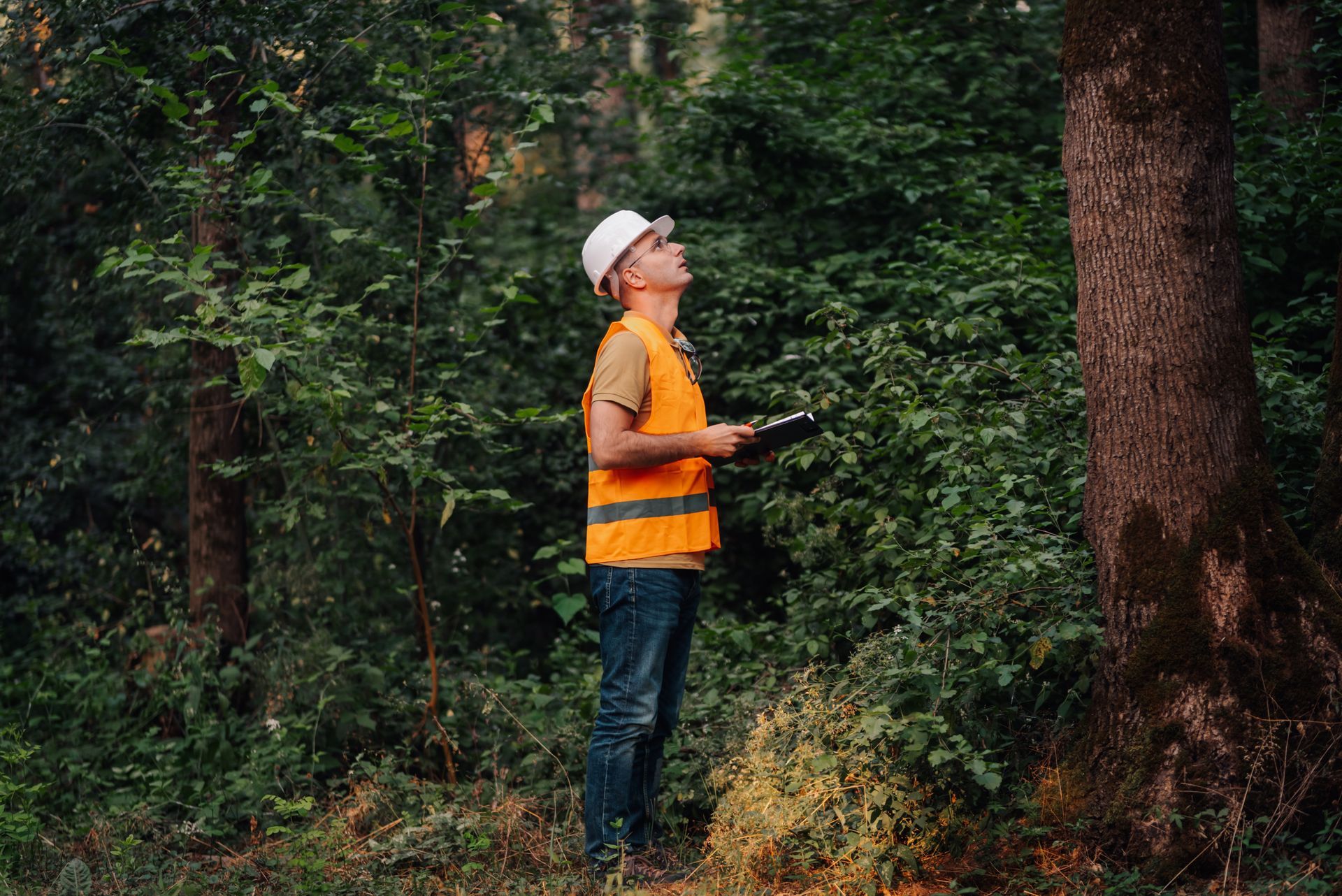
Inspections involve visual evaluation of the trunk, canopy, root zone, and surrounding conditions that affect stability. The assessment identifies signs of disease, insect damage, root failure, and structural defects that increase the chance of limb or whole-tree failure. In Tulsa neighborhoods with mature trees, inspections provide the information needed to make proactive decisions before storm season or major property changes. The service focuses on safety and preservation, recommending removal only when other options will not address the risk.
If you have concerns about a tree in Tulsa, schedule an inspection to review its condition and your options.
What the inspection covers and what you learn
A tree health inspection in Tulsa includes checking the trunk for cracks, cavities, or fungal growth, examining the canopy for dead limbs or thinning foliage, and assessing the root zone for heaving, decay, or soil issues. The inspector looks for lean direction, previous damage, and proximity to structures or power lines. Notes are made about visible risks and the tree's overall stability.
After the inspection, you will understand what specific issues the tree has, whether those issues can be managed, and what actions would reduce risk most effectively. Preventative assessments can reduce emergency situations and unexpected damage. You will know if the tree can stay with trimming or support, or if removal is the safer long-term choice.
The service does not include treatment for disease, pest control, or soil amendments unless arranged separately. If the tree shows signs of advanced decay or structural failure, those findings will be explained along with recommended next steps. Inspections are most useful when done before storm season or when you notice visible changes in the tree's appearance or behavior.
What property owners ask before booking an assessment
Homeowners in Tulsa often want to know what the inspection will reveal, how long it takes, and whether the tree can be saved or needs to be removed.
RG Tree Service provides tree health inspections and risk assessments throughout Tulsa and surrounding areas, helping property owners identify problems before they lead to emergency situations. If you are concerned about a tree's stability or health, contact us to schedule an assessment and review what steps will keep your property safe.